
La accesibilidad no es un estado. Es un proceso.
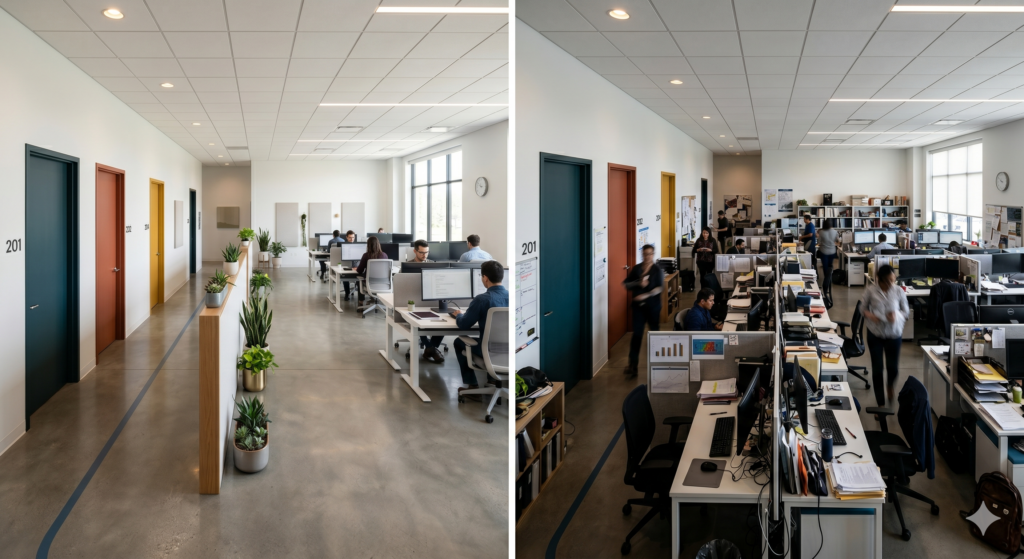
Un espacio que hoy se evalúa y se considera adecuado puede tener limitaciones mañana. No necesariamente porque algo se haya hecho mal o porque algo se haya roto, sino porque el espacio ha cambiado, como todos los espacios cambian con el tiempo.
El envejecimiento que los espacios aún no han visto
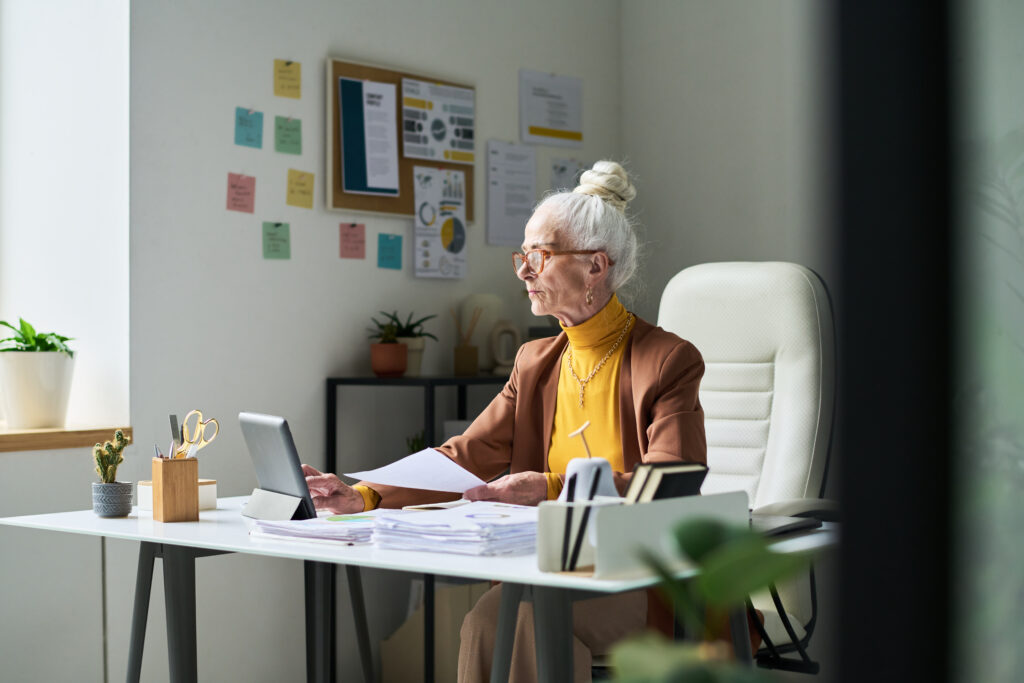
El envejecimiento de la población es una de las transformaciones más predecibles de nuestro tiempo, y una de las menos integradas en el diseño y la gestión de espacios. Según las proyecciones anunciadas en 2024 en el Foro Económico Mundial, para 2050 las personas de 50 años o más representarán el 30% de la fuerza laboral mundial. En Brasil, este grupo ya constituye cerca del 25% de los profesionales activos, lo que equivale a más de 23 millones de personas.
Accessibility as a Strategy for Companies of the Future
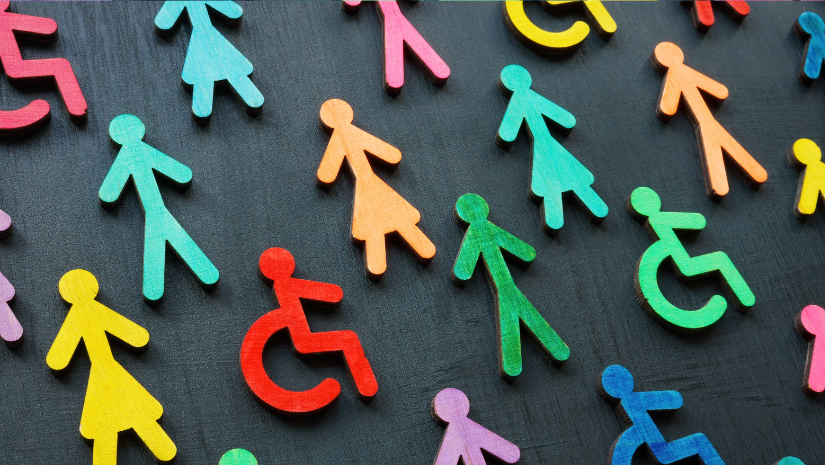
The future of companies will be shaped by those that manage to embrace inclusion, diversity, and, above all, accessibility.
Accessibility for Pregnant Women

The theme is Accessibility for Pregnant Women: Adapting Family, Professional, Commercial, and Leisure Environments. We will explore how small changes can transform spaces into more inclusive, safe, and welcoming places for pregnant women.
Accessible Gardens: How to Create Green Spaces for Everyone

An accessible garden is a way to ensure that everyone, regardless of their physical condition, can connect with nature.
Does accessibility bring development, or does development bring accessibility?
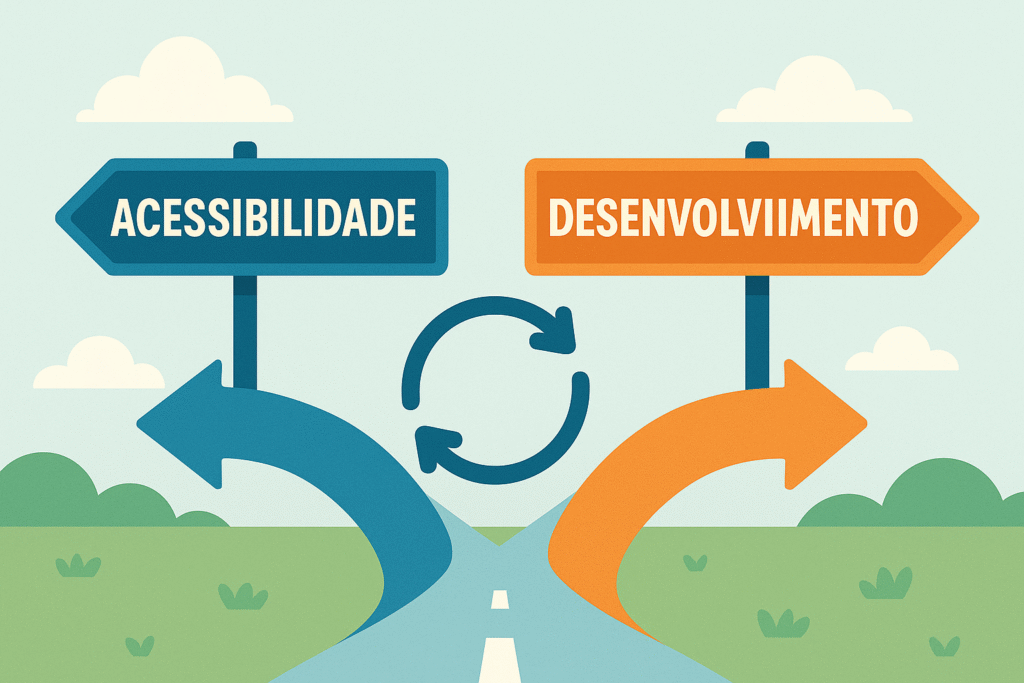
Accessibility – in its aspects of mobility, urban, digital and social inclusion – and development – whether economic, social or technological – are intrinsically linked.
Accessibility and sustainability: one single path to the future
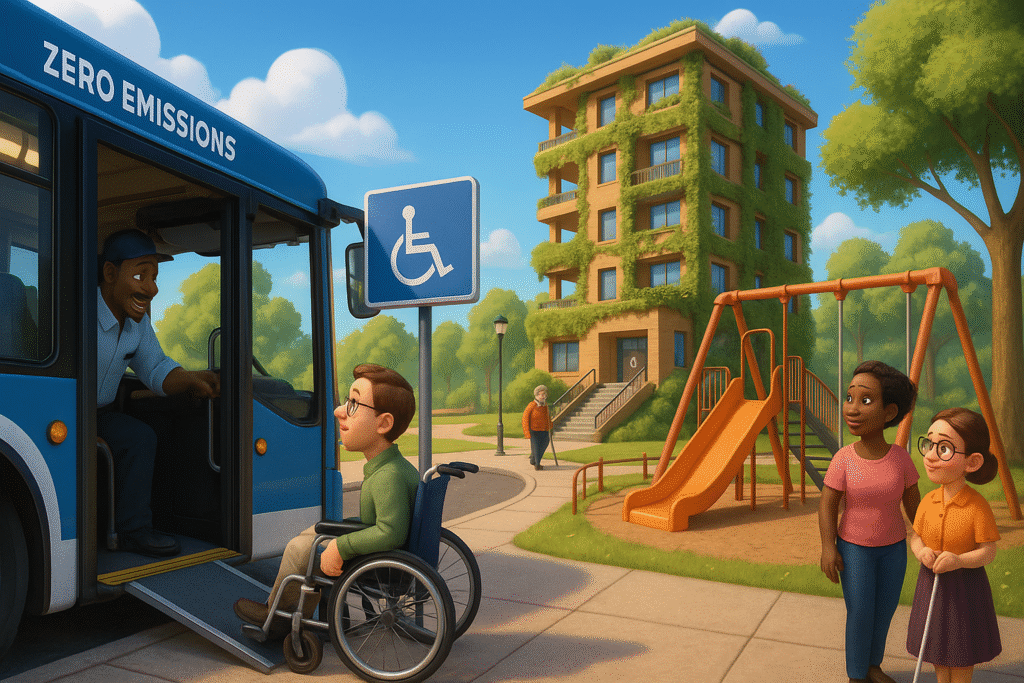
The word sustainability often evokes images of a preserved environment, clean energy, and green cities. For a long time, the focus of sustainable development was almost exclusively on the environmental pillar.
Disability and poverty: how each feeds the other
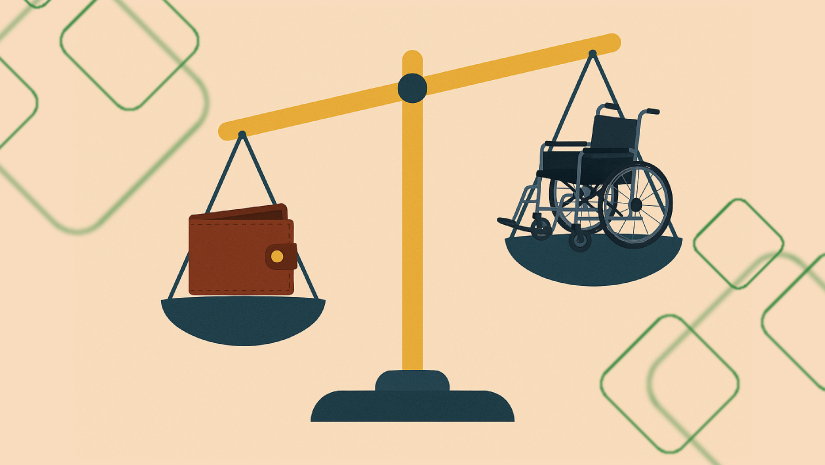
Poverty and disability often go hand in hand, creating a difficult cycle to break. People with disabilities face additional obstacles in education, employment, and access to basic services, which can lead to poverty. At the same time, conditions of poverty – such as malnutrition, lack of sanitation, and inadequate healthcare – increase the risk of developing disabilities or exacerbate existing limitations.
User experiences in accessible spaces: autonomy, safety and quality of life for everyone

Autonomy, security, and dignity are universal values – we all want to move freely, access services, and participate in society without obstacles. Accessibility, in this context, is key to ensuring a positive user experience in any space, whether at work, in transportation, in culture, in the city, or in the digital environment.
Smart Cities and More Accessible Urban Environments
De forma simplificada, uma Smart Cities (cidades inteligentes) são cidades que utilizam tecnologias de informação e comunicação de forma integrada para melhorar a gestão urbana e tornar os serviços públicos mais eficientes, sustentáveis e acessíveis aos cidadãos. Sensores espalhados pelo espaço urbano, dispositivos conectados e sistemas de gerenciamento de dados em tempo real coletam informações sobre trânsito, clima, consumo de energia, qualidade do ar, uso dos espaços públicos, entre outros fatores.