

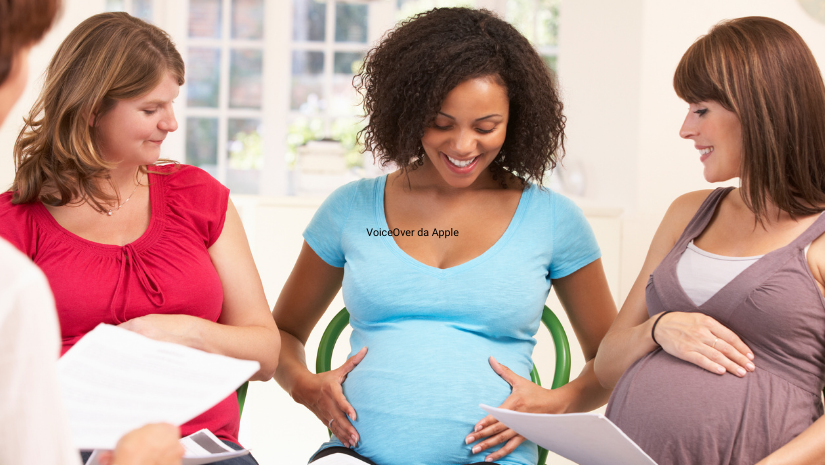
The topic is Accessibility for pregnant women: adapting home, professional, commercial and leisure environments. Let’s explore how small changes can turn spaces into more inclusive, safer and more welcoming places for pregnant women.
Accessibility is not a concept restricted to people with permanent limitations; it also covers temporary needs, such as those that arise during pregnancy. This period brings physical and emotional changes that call for adjustments in the spaces pregnant women use, whether at home, at work, in shops or in leisure settings. As well as being a right established in law, adapting environments for this group is a way of demonstrating empathy and consideration. This article covers practical measures to promote accessibility and inclusion, based on legislation, good practice and conscious attitudes.
The importance of accessibility for pregnant women
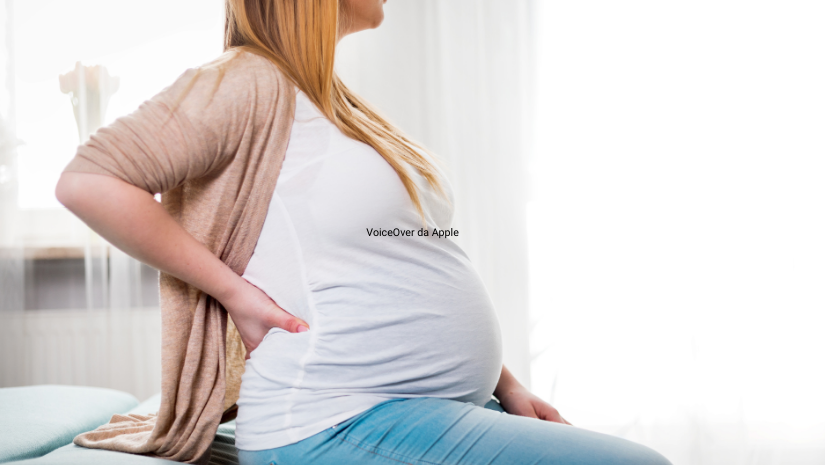
During pregnancy, bodily changes such as increased abdominal volume, fatigue and swelling can make simple activities like walking or sitting down challenging. Providing accessibility goes beyond preventing accidents: it is a way of improving quality of life. These adaptations benefit not only pregnant women but also older people and people with reduced mobility, demonstrating the positive impact of accessible environments for society as a whole.
Adaptations in the home
In the domestic environment, small changes can significantly improve the comfort and safety of pregnant women. Examples include:
- Handrails on stairs and in bathrooms, providing greater stability;
- Non-slip mats, reducing the risk of falls;
- Furniture adjusted to ideal height and ergonomics.
Well-lit and well-ventilated environments also better meet the sensory needs of pregnant women, who frequently experience thermal or visual discomfort.
What the law requires in commercial and professional environments
Brazilian legislation, such as Law 10,098/2000, requires public and private spaces of collective use to be accessible to everyone, including pregnant women. The minimum adaptations established include:
- Dedicated parking spaces;
- Restrooms with support bars;
- Ergonomic chairs at work, alongside regular breaks.
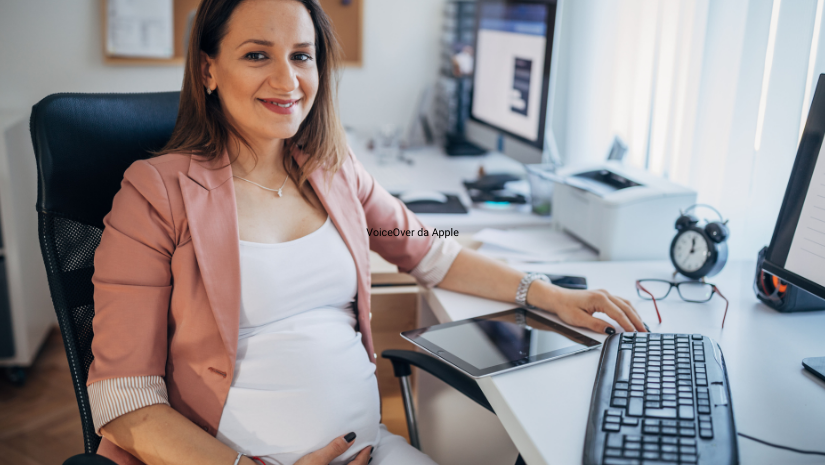
Although legislation provides a basic guide, genuine accessibility depends on a greater effort, with managers investing in awareness and in practices that go beyond what is required.
Education and empathy in commercial establishments
Commercial establishments have the opportunity to demonstrate care by adopting measures that support the well-being of pregnant women, such as:
Priority service in queues
Unobstructed access to shelves and products;
Waiting areas with comfortable seating;

Cinemas, restaurants and shops can promote an inclusive environment by removing physical barriers and providing attentive, welcoming service.
Accessibility in the workplace

In the professional environment, it is essential for companies to create safe and comfortable conditions for their pregnant employees. Beyond meeting legal requirements, actions such as these are recommended:
- Regular breaks and access to rest areas equipped with reclining chairs;
- Task flexibility, adjusting activities in line with temporary limitations.
These initiatives demonstrate a commitment to the health and well-being of pregnant women, strengthening the culture of inclusion within organizations.
Leisure spaces: inclusion and comfort
Leisure time should also be accessible to pregnant women. Spaces such as parks, theaters and restaurants can implement improvements such as:
- Paved trails and level access;
- Rest areas with comfortable benches;
- Priority service and reserved parking spaces.
Such adaptations ensure that pregnant women can fully enjoy moments of relaxation without giving up comfort and safety.
Small changes, big impacts
Investing in accessibility for pregnant women is more than meeting a legal obligation; it is an act of empathy that values diversity and the needs of each individual. Adapted spaces benefit not only expectant mothers but society as a whole, promoting inclusion and reinforcing respect for difference. With small changes, it is possible to create a more welcoming and fairer environment, strengthening relationships based on solidarity and mutual care.
For more news about accessibility and inclusion, follow @guiaderodas on Instagram.
Make accessibility a decision, not a detail
Pregnancy is temporary. The barriers a space creates are not.
The Guiaderodas Certification goes beyond a technical checklist. Its methodology combines a detailed assessment of the physical space, the lived experience of people with disabilities, staff training for an accessible attitude and a leadership commitment to continuous improvement.
Learn about the Guiaderodas Certification →