

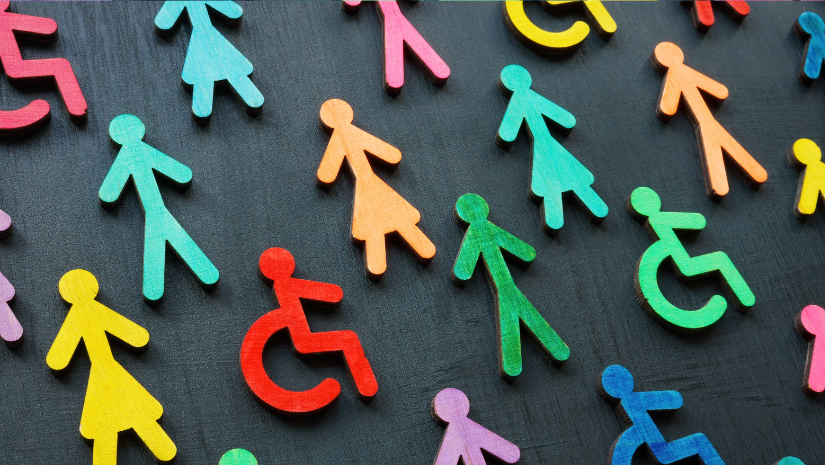
The future of business will be shaped by those companies able to embrace inclusion, diversity and, above all, accessibility.
As the world advances and becomes ever more interconnected, it will be essential for organizations to ensure that everyone, regardless of their physical or sensory limitations, can take part in their activities. Guiaderodas, a platform working to promote the inclusion of people with disabilities, stresses that accessibility must be a strategic priority and not merely a legal requirement.
Inclusion: a widely ignored audience
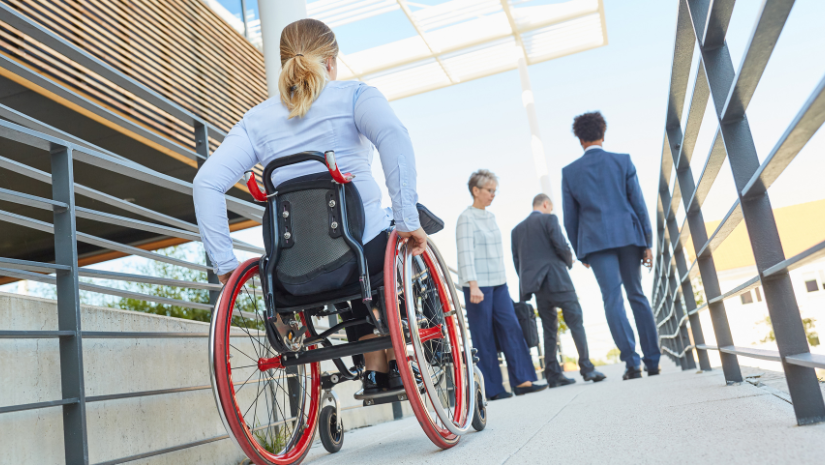
Data from the World Health Organization indicates that more than one billion people around the world live with some form of disability, representing around 15% of the global population.
In Brazil, the picture is no different. According to IBGE, the national statistics institute, there are more than 45 million people with disabilities. Even so, many companies still fail to adapt their products, services and environments for this significant audience. Ignoring this segment of the population therefore means not only missing business opportunities but also contributing to social exclusion.
Organizations that, by contrast, adopt accessibility as one of their pillars tend to be more competitive. As well as reaching a wider audience, brands that invest in inclusion are recognized for their social responsibility and their commitment to equal opportunity.
Accessibility as a strategic pillar
In recent years, a shift in mindset has been observed among the most innovative companies. Accessibility, once seen as an additional expense, is now understood as a smart investment. By implementing accessible solutions, it is possible to expand the market, engage customers of different profiles and, consequently, improve the company’s image.
In addition, inclusive companies attract diverse talent, including people with disabilities, who often have singular skills in adaptation and problem solving. These professionals are able to bring new ideas and perspectives, contributing to the creation of more innovative and, ultimately, more effective solutions.
Creating an accessible environment also allows all employees to have the same conditions in which to develop their potential. This prevents physical or technological barriers from limiting the contribution a professional with a disability can offer. Inclusion thereby ceases to be seen only as a benefit for those who directly depend on it and comes to be perceived as a source of value for the organization as a whole.
The role of technology in inclusion

There is no denying that technology has become a great ally of accessibility. The development of new tools and devices, such as screen readers, automatic transcription systems and voice commands, has enormously eased the lives of people with disabilities.
- These innovations allow companies to adapt their processes, products and services more simply and efficiently.
- Moreover, implementing these technologies benefits everyone. A more intuitive and accessible website, for example, does not only improve the experience of people with visual impairments: it provides easier navigation for all users. By facilitating access to and interaction with their platforms, companies ensure a more pleasant and satisfying experience, increasing customer retention and reinforcing their position in the market.
An inclusive organizational culture
Ensuring accessibility, however, goes beyond implementing physical and technological solutions. For a company to genuinely stand out in this respect, it is essential that accessibility becomes part of its organizational culture. That means training employees so that they understand the importance of inclusion and know how to deal with people with disabilities respectfully and effectively. Promoting this awareness creates a more collaborative and empathetic workplace.
Companies that dedicate themselves to building this inclusive culture tend to become more attractive to diverse and innovative talent. After all, who does not want to work in an environment where equal opportunity is guaranteed for everyone? Guiaderodas has stood out by helping companies take the first steps along that path, offering consultancy and assessments to make workplaces more accessible and therefore more inclusive.
An inclusive and promising future
There is no doubt that companies investing in accessibility are shaping a more inclusive and prosperous future. By breaking down barriers and promoting equal opportunity, these organizations not only align themselves with the principles of social responsibility but also build a solid foundation for sustainable growth. An accessible workplace, inclusive products and an organizational culture that values diversity are factors that will undoubtedly secure the success of the companies of the future.
After all, inclusion is the path to a future in which everyone has the opportunity to contribute and benefit equally. And the companies that commit to that today will be ahead tomorrow.
For more content about accessibility and inclusion, follow @guiaderodas on Instagram.
Make accessibility a decision, not a detail
Strategy becomes real when it is measured. That is what a certification does.
The Guiaderodas Certification goes beyond a technical checklist. Its methodology combines a detailed assessment of the physical space, the lived experience of people with disabilities, staff training for an accessible attitude and a leadership commitment to continuous improvement.
Learn about the Guiaderodas Certification →