

Universal design is an approach that aims to create products, environments and experiences accessible to all people, regardless of their physical, sensory or cognitive abilities.
The concept, widely adopted in the design and technology sectors, is pursued with the aim of promoting inclusion by recognizing that human diversity represents an opportunity for more effective innovation. Inspired by the principles of inclusion, a number of solutions available in today’s market illustrate how universal design can benefit society as a whole. In this way, products become accessible and usable by people with and without disabilities, including older people, who frequently benefit from these technologies.
1. Voice assistants: Alexa and Google Assistant
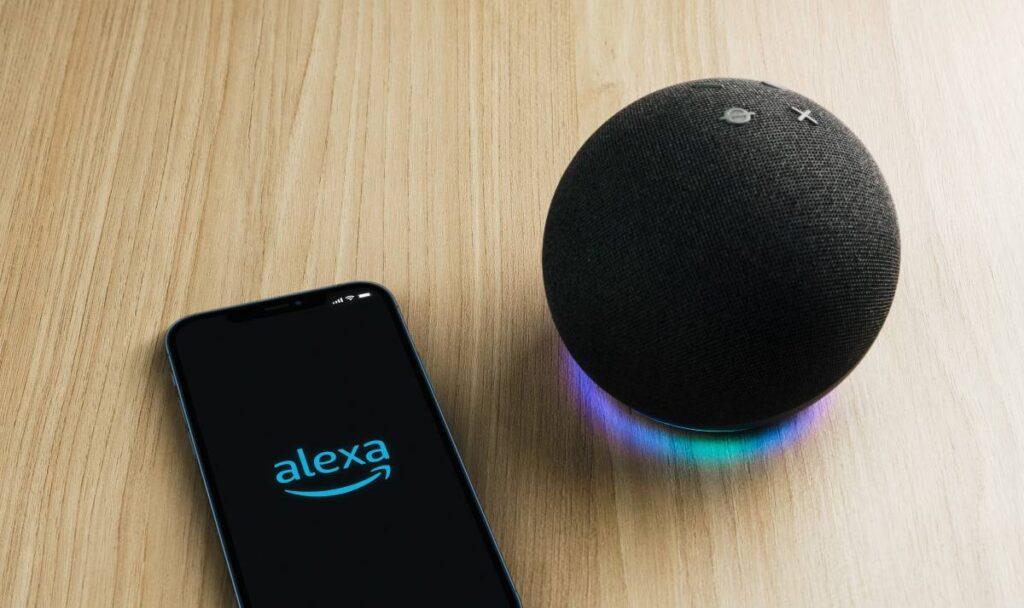
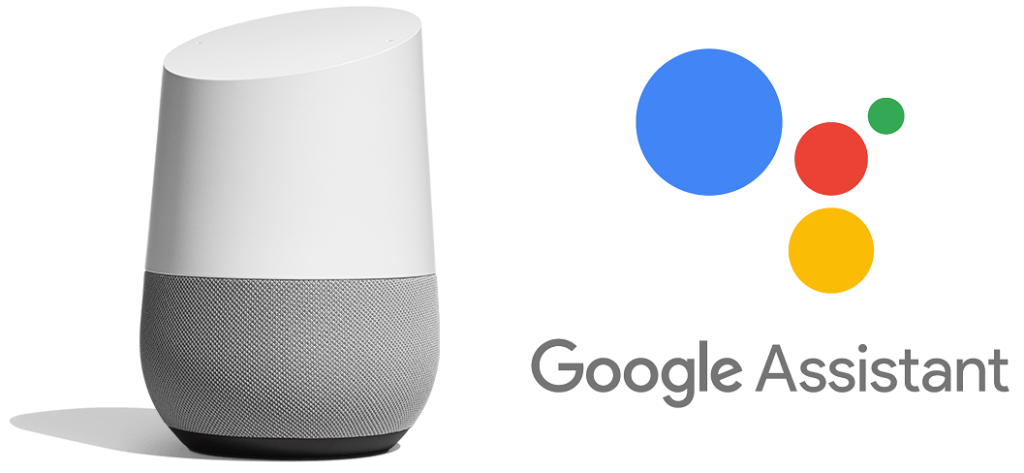
Voice assistants such as Amazon’s Alexa and Google Assistant are perfect examples of solutions that follow the principles of universal design. These devices allow users to control a variety of appliances and access information through voice commands.
Accessibility and autonomy: the impact of voice assistants on universal design
For people with visual impairments, this functionality is essential, as it removes the need to interact with screens or physical buttons. In addition, the ease of use by voice makes it possible to set reminders for medication or important appointments, promoting greater safety and autonomy.
Likewise, people with reduced mobility and older people, who may find manual controls difficult or struggle to remember tasks, can use these assistants to control smart home devices such as lights, thermostats and locks independently. This approach guarantees greater autonomy and comfort for those users.
2. Smart locks
Smart locks, such as those offered by brands like Elsys and Intelbras, are another solution that exemplifies universal design.
They allow doors to be locked or unlocked through a smartphone app or by voice command. For people with motor difficulties, including older people who may have trouble with keys, this technology offers more autonomy by removing the need to handle physical keys. These locks also bring convenience to the general public. Whether to grant remote access to someone while you are away from home, or to make sure the door was locked once you are already far away, this solution increases safety and practicality for all users, while also offering peace of mind to the families of older people.
3. Smart thermostats
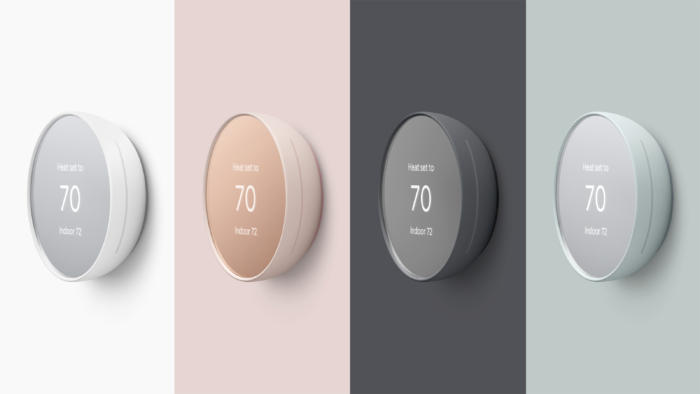
Smart thermostats are more common in regions with temperate climates or harsh winters, where heating control is essential for well-being and safety. In tropical countries such as Brazil, by contrast, these devices are used less often, since temperatures rarely require constant heating adjustments. Even so, for older people who may forget to adjust the temperature, these devices provide greater safety by keeping the environment at a consistently comfortable temperature.
Products such as the Nest Thermostat, developed by Google, follow the principles of universal design by offering accessible temperature control. The thermostat can be adjusted by voice command or through an app, removing the need to interact with physical controls. For a person with a motor disability, or for older people who may find it hard to adjust the temperature manually, this simplicity means more independence and comfort.
4. Button-free elevators
Elevators without traditional physical buttons are another clear example of universal design in practice. Touch interfaces or voice-based commands make them easier to use for people with visual impairments, older people with reduced mobility and anyone who may struggle to press small buttons. Complexity is removed for everyone by allowing floor selection to be made simply and efficiently, making elevator use more intuitive and accessible.
5. Automatic faucets
Automatic faucets, common in public restrooms, are a simple but effective example of universal design. They work by detecting the presence of hands, removing the need to touch handles. This technology is particularly useful for people with motor difficulties and for older people who may have less strength to turn or press taps. It also promotes a more hygienic and efficient environment for everyone. Making faucet activation automatic benefits the whole population, while also reducing water waste.
6. Video captions
Captions, initially developed to serve the deaf and hard of hearing community, are now widely used by a variety of users in different contexts. Watching videos in noisy or quiet environments, such as on a plane or during a meeting, is made easier by captions. In addition, for older people who may experience gradual hearing loss, captions offer a way to continue consuming audiovisual content without having to raise the volume excessively, improving the experience of watching films and news.
Universal design is not limited to meeting the needs of people with disabilities: it is about creating solutions designed to work for everyone, including older people. The technological innovations mentioned here, such as virtual assistants, smart locks and home devices, are examples of how inclusive design can bring broad benefits to society as a whole. These solutions not only guarantee accessibility, but also offer convenience and efficiency to anyone, regardless of their abilities or age.
Understanding and applying the principles of universal design is therefore essential to creating a more inclusive world. Solutions that address the needs of a specific group can often bring unexpected benefits to the rest of the population. True innovation lies in designing for everyone and, in doing so, increasing the positive impact of every product or service.
Images retrieved from the website: https://www.canva.com/design/
Make accessibility a decision, not a detail
Universal design is a principle. A certification is how you verify it was applied.
The Guiaderodas Certification goes beyond a technical checklist. Its methodology combines a detailed assessment of the physical space, the lived experience of people with disabilities, staff training for an accessible attitude and a leadership commitment to continuous improvement.
Learn about the Guiaderodas Certification →
https://www.control4.com/help/c4/user/userguide/content/topics/interfaces/voice-google-about.htm https://www.control4.com/help/c4/user/userguide/content/topics/interfaces/voice-google-about.htm https://store.google.com/us/product/nest_thermostat?hl=en-US&pli=1
For more news about accessibility and inclusion, follow @guiaderodas on Instagram.